.png)










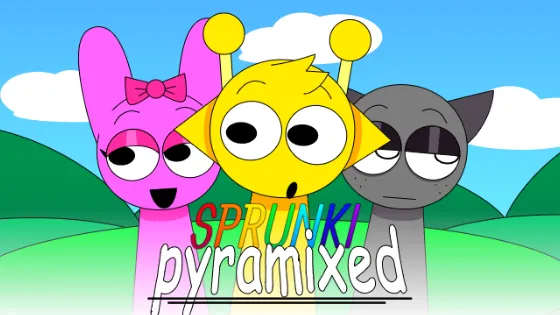
Spunki – Multishift (tj’s take)
What is Spunki – Multishift (tj’s take) Mod
Spunki Multishift TJ Take is the dedicated playable page for Spunki – Multishift (tj's take), and the page needs its own explanation because the source version is built around a multishift remix where TJ style changes the roster order, role swaps, and timing expectations. Spunki Multishift TJ Take should not read like a recycled directory card. Players who open Spunki Multishift TJ Take are usually checking whether this exact browser version has a clear reason to exist, whether the first loop loads cleanly, and whether the character order changes the session in a way they can hear. A useful Spunki Multishift TJ Take run starts with a clean rhythm role, then a shifted melody role, then a short stress test with the swapped character layer. From there, Spunki Multishift TJ Take becomes easier to judge because the player can separate the base rhythm, the identity layer, and the extra effect instead of filling every slot at once. This source-informed copy treats Spunki Multishift TJ Take as a specific game page: it names the mood, explains the practical route, and gives the player a reason to compare the version with nearby Sprunki entries. The strongest Spunki Multishift TJ Take session is short, deliberate, and repeatable, so the final loop tells the player something about the version rather than only proving that the frame can load.
The source page points toward a multishift remix where TJ style changes the roster order, role swaps, and timing expectations, so Spunki Multishift TJ Take should be played as a focused listening test. Begin Spunki Multishift TJ Take with a clean rhythm role, then a shifted melody role, then a short stress test with the swapped character layer, then pause long enough to hear whether the loop still has a readable center. If the next character makes Spunki Multishift TJ Take louder but less distinct, remove that layer and rebuild with a clearer accent. This matters because many Sprunki pages share familiar interaction patterns, while Spunki Multishift TJ Take earns attention only when its version-specific details stay audible. Use Spunki Multishift TJ Take to test pacing, roster logic, visual tone, and the way the stage reacts after each addition. When the mix is working, Spunki Multishift TJ Take should make the title feel accurate without needing a long backstory. When the mix is not working, Spunki Multishift TJ Take will feel like a broad fallback page, which is exactly what this rewrite avoids. A careful player can finish one loop, note the strongest sound pair, and know whether Spunki Multishift TJ Take deserves a return visit.
Spunki Multishift TJ Take also works as a comparison stop for players who move through several related games in one session. After one balanced loop in Spunki Multishift TJ Take, open Sprunki Multishift, Sprunki Shifted Thanatias Take, and other shifted pages and rebuild a similar opening pattern. That controlled comparison shows whether Spunki Multishift TJ Take has a sharper identity, a calmer route, a darker texture, or a more playful structure. The point is not to claim that Spunki Multishift TJ Take is bigger than every related page. The point is to show how Spunki Multishift TJ Take should be approached so the player gets a useful result quickly. Keep the first beat stable, add the identity layer slowly, and treat every new sound as a test. If Spunki Multishift TJ Take still feels recognizable after that test, the version has done its job. If it does not, the player can move on with a clear reason. This gives Spunki Multishift TJ Take a complete page description, a distinct metadata source, and a practical route for real browser play. Spunki Multishift TJ Take should stay readable after each new layer, especially when the stage starts to feel crowded. A finished Spunki Multishift TJ Take loop should make one version-specific difference obvious before the player leaves the page. The safest Spunki Multishift TJ Take method is slow layering, because careful pacing keeps the main rhythm from disappearing. Use Spunki Multishift TJ Take as a version check, not just a fast click, and listen for the first sound that changes the mood. When Spunki Multishift TJ Take becomes crowded, the best fix is to remove one effect and protect the identity layer. That makes Spunki Multishift TJ Take more than a thumbnail in the list and gives the player a practical reason to continue. A short Spunki Multishift TJ Take session can still feel complete when the base, accent, and comparison route are clear. The strongest Spunki Multishift TJ Take mix is the one that remains recognizable after the player repeats the opening loop. Spunki Multishift TJ Take should stay readable after each new layer, especially when the stage starts to feel crowded. A finished Spunki Multishift TJ Take loop should make one version-specific difference obvious before the player leaves the page. The safest Spunki Multishift TJ Take method is slow layering, because careful pacing keeps the main rhythm from disappearing. Use Spunki Multishift TJ Take as a version check, not just a fast click, and listen for the first sound that changes the mood.
How to Play Spunki – Multishift (tj’s take) Game
1. Load Spunki – Multishift (tj’s take)
Open Spunki – Multishift (tj’s take), let the embedded frame finish loading, and wait until the first interaction responds cleanly.
2. Start With One Base
Begin Spunki Multishift TJ Take with a clean rhythm role, then a shifted melody role, then a short stress test with the swapped character layer. A stable opening makes it easier to hear whether later characters improve the mix.
3. Add Identity Layers
Add one sound at a time and keep the parts that support a multishift remix where TJ style changes the roster order, role swaps, and timing expectations. If Spunki Multishift TJ Take becomes noisy, remove the layer that hides the core rhythm.
4. Compare the Result
After one complete loop, compare Spunki – Multishift (tj’s take) with Sprunki Multishift, Sprunki Shifted Thanatias Take, and other shifted pages. The finished mix should make the page feel specific, not interchangeable.
Features of Spunki – Multishift (tj’s take) Game
Source-Grounded Identity
Spunki – Multishift (tj’s take) has a dedicated page because the source version points to a multishift remix where TJ style changes the roster order, role swaps, and timing expectations. The copy explains that identity directly instead of reusing a broad Sprunki fallback.
Focused Listening Route
The best Spunki Multishift TJ Take session starts with a clean rhythm role, then a shifted melody role, then a short stress test with the swapped character layer. Add layers slowly, keep the mix readable, and judge the version by the sound changes you can actually hear.
Browser-Ready Play
Spunki – Multishift (tj’s take) can be opened from the game frame in the browser. Wait for the frame to respond before judging timing, controls, or audio balance.
Comparison Value
Spunki – Multishift (tj’s take) is easiest to understand when compared with Sprunki Multishift, Sprunki Shifted Thanatias Take, and other shifted pages. Rebuild a similar opening loop and listen for the version-specific difference.
FAQs
What is Spunki – Multishift (tj’s take)?
Spunki – Multishift (tj’s take) is a browser music game version focused on a multishift remix where TJ style changes the roster order, role swaps, and timing expectations, with source-informed guidance for building and judging a short mix.
Is it free to play?
Yes. Spunki – Multishift (tj’s take) is available through the browser game frame, with no separate download required from this page.
What should I try next?
Try a nearby phase, shifted, survival, treatment, or character-focused page so the comparison against Sprunki Multishift, Sprunki Shifted Thanatias Take, and other shifted pages stays meaningful.