


Sprunkin
What is Sprunkin Mod
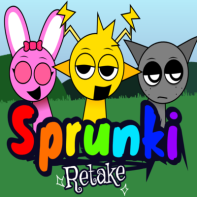
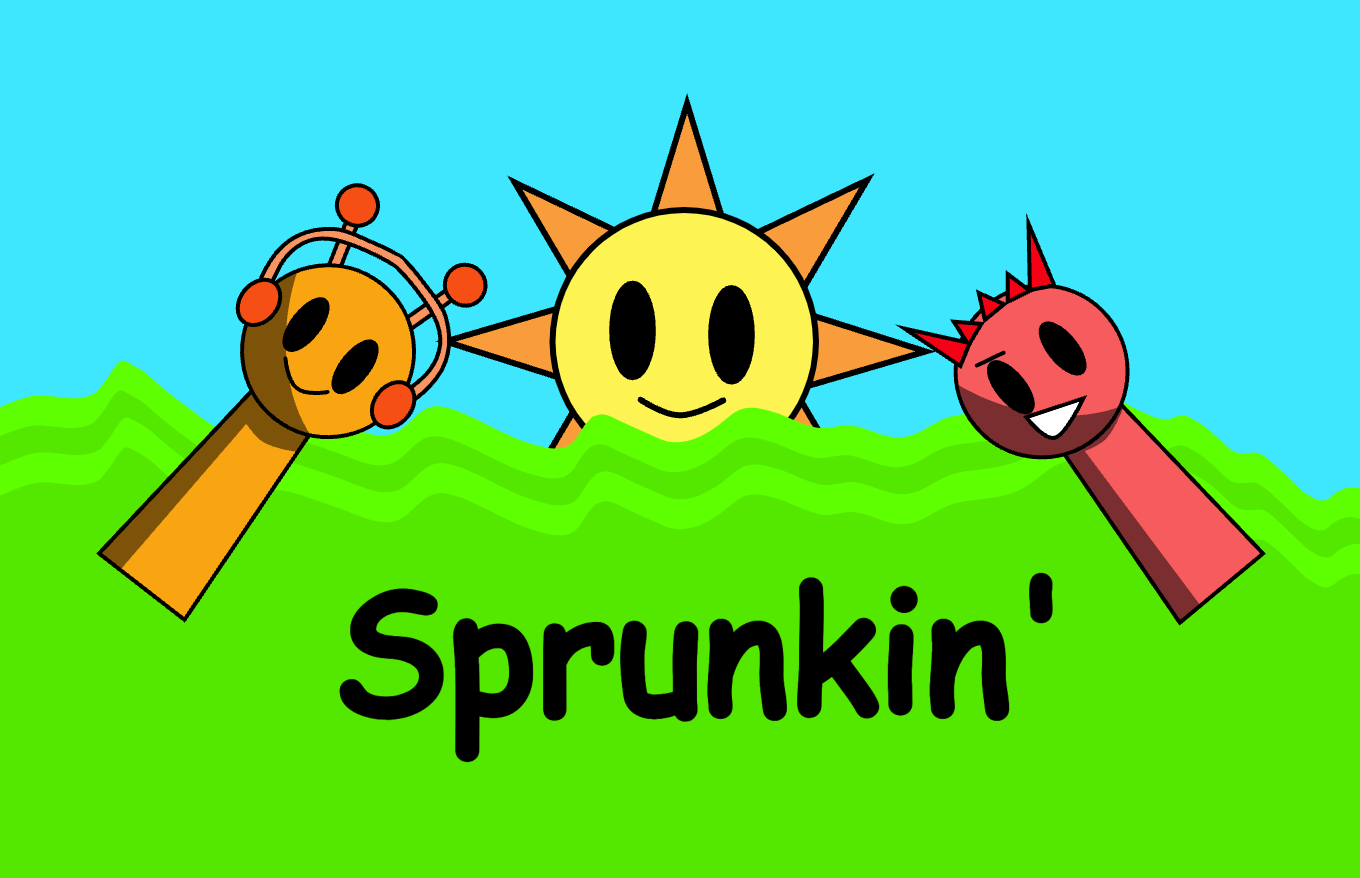
Sprunkin is a compact browser music game page for players who search the short Sprunkin title instead of a numbered phase or a longer mod name. Sprunkin should feel like a fast entry point with its own identity. A good Sprunkin session is simple: open the frame, test a small set of character sounds, keep the cleanest beat, and move on to a broader Sprunki page only after the loop makes sense.
The value of Sprunkin is speed and clarity. Sprunkin is not trying to explain the whole phase sequence, and Sprunkin should not reuse generic fallback copy. Players who open Sprunkin want quick access to this exact title, so the page should explain how to build a short mix, how to compare it with other pages, and why a compact title can still be worth replaying.
How to Play Sprunkin Game
1. Open Sprunkin
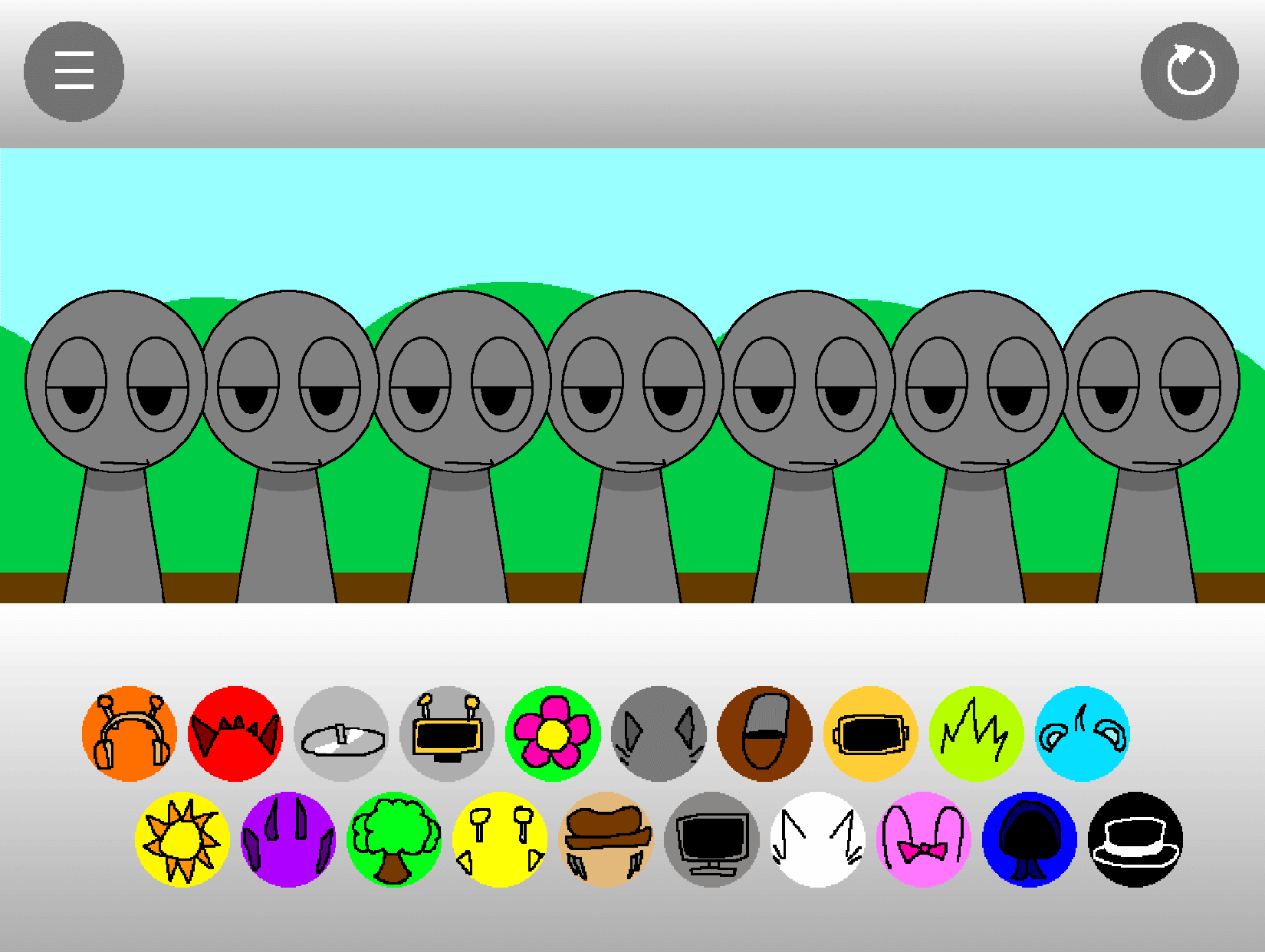
Open Sprunkin and wait until the embedded interface is ready. Sprunkin works best when the first action is slow enough to hear the starting sound clearly before the mix becomes busy.
2. Pick One Starting Sound
Choose one Sprunkin sound as the base and let it repeat. If that first Sprunkin layer feels weak, reset early. A clear base gives the rest of the page a stronger direction.
3. Add Two More Layers
Add one rhythm support and one contrast sound. Sprunkin does not need a full board to be useful. A three-part Sprunkin mix often makes the title easier to remember than a crowded loop.
4. Compare Another Page
After Sprunkin, open Sprunki Game, Sprunki Retake, or a numbered phase and rebuild the same three-part pattern. Sprunkin becomes more useful when it gives you a baseline for comparison.
Features of Sprunkin Game
Compact Sprunkin Entry
Sprunkin works as a compact entry because the title is short and the intent is direct. A player searching Sprunkin is not asking for a long category tour; the player wants the Sprunkin page, the playable frame, and enough context to start mixing.
Fast Music Testing
Sprunkin is useful for fast testing. Add one character, listen to the loop, then add a second sound only if it improves the rhythm. Sprunkin becomes more memorable when each layer has a reason instead of filling every slot.
Short-Name Comparison Page
Sprunkin can be compared with Sprunki Game, Retake, and early phase pages. Use Sprunkin as the short-name reference, then check whether a longer page adds structure, a stronger theme, or only more visual noise.
Replay Without Setup
Sprunkin runs from the browser page, which makes it easy to replay for a short session. Open Sprunkin when you want to rebuild one beat quickly rather than commit to a long phase route.
Focused Arrangement Practice
Sprunkin is a useful practice page because a compact session exposes weak layers quickly. If a sound does not help the Sprunkin rhythm after two repeats, remove it and use that slot for a clearer voice, beat, or effect.
FAQs
What is Sprunkin?
Sprunkin is a short-title browser music game page focused on character-based sound mixing. Sprunkin is best handled as its own page, not as a generic fallback for every Sprunki-style game.
Is Sprunkin a numbered phase?
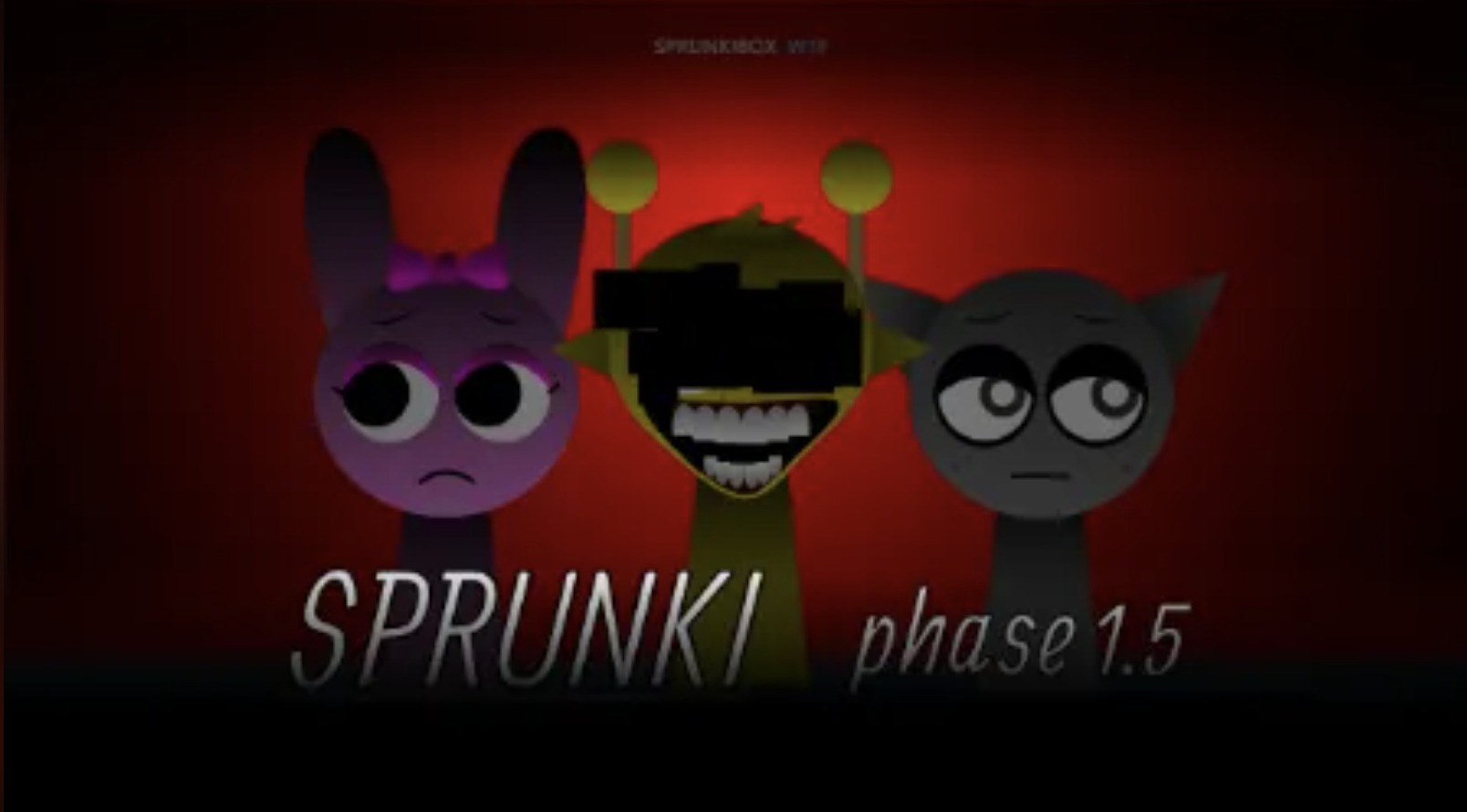
No. Sprunkin is better treated as a named variant. A player searching Sprunkin is not necessarily looking for Phase 1, Phase 2, or another numbered path.
Can I play Sprunkin online for free?
Yes. Sprunkin can be played from the browser page. Open Sprunkin, wait for the frame, and test the character sounds without installing a separate desktop app.
Is Sprunkin good for beginners?
Sprunkin can be good for beginners because the session can stay short. Start with Sprunkin if you want to learn the basic habit of adding, listening, and removing sounds before trying longer pages.
What should I play after Sprunkin?
After Sprunkin, try Sprunki Game for the broad entry point, Sprunki Retake for a refreshed style, or Phase 1 for a more structured sequence. Sprunkin works well as the quick reference before those pages.
How should I build a Sprunkin mix?
Build a Sprunkin mix in two passes. In the first pass, use only three sounds: one base, one movement layer, and one contrast layer. In the second pass, rebuild the same Sprunkin idea with a different opening sound. If the second version loses the rhythm, the first base was doing more work than you expected. This makes Sprunkin useful as a listening exercise instead of a random clicking page. Keep the version that is easier to remember after a short break, because that usually means the Sprunkin arrangement has a clear center. A clear center also makes it easier to compare Sprunkin with a phase page or a themed variant later. For a longer review, write down the order of the three strongest sounds and rebuild that order after changing only the first character. The test is simple: if the rhythm still feels stable, the arrangement is flexible; if it collapses, the opening part was carrying the whole idea alone. Then remove one supporting sound and replay the shorter version. A compact page often works best when one slot is left quiet, because silence can make the remaining beat easier to remember. Use that quiet slot as a listening tool, not as an empty mistake. After the final pass, compare the track with a broader entry page and ask which one explains the core music loop faster. That answer tells you whether this short-title page is doing useful work for a first-time player or only acting as a quick detour. Another useful test is to wait ten seconds after the loop ends and then rebuild the same idea from memory. If the order is easy to recall, the arrangement has a clear musical shape. If the order is hard to remember, simplify the middle layer first rather than changing the base. The final version should have a beginning, a middle, and a small change near the end of the loop. That shape gives the page a reason to be replayed instead of treated as a one-click novelty.